Leland, NC · Brunswick County
Leland drywall repair, planned around dry time and your week
Leland Drywall Repair Co. fixes walls and ceilings in Leland and its Brunswick County neighbors, from a ceiling soaked by a storm leak to a nail pop in a house that is still settling. The office books the first visit, tells you how many trips the job should take, and spaces them so each coat of compound has dried before the next one goes on.
Our process · Open 7 days, 7am–9pm
Leland repairs by size: coats, drying and trips
The size of the damage sets the calendar more than anything else. A small repair can wrap up in two short stops, while a large one is spread over several days so compound, primer and paint each get the drying time they need. Here is how the three sizes usually play out.
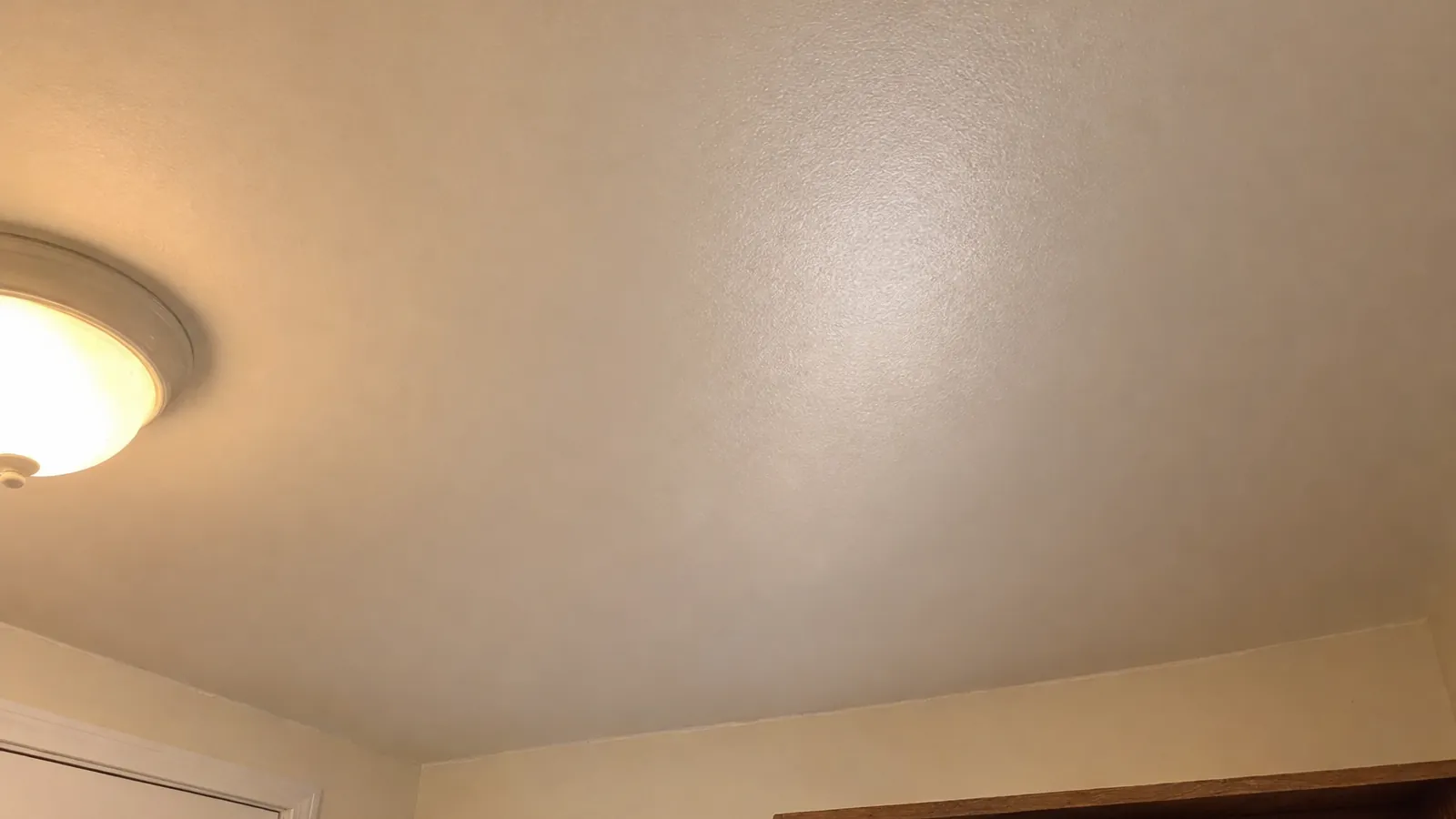
Small: nail pops, screw holes, short cracks, dents
Usually two visits. On the first, popped fasteners are reset and covered, or the crack is opened, taped and given its first coat. Compound in our damp air needs most of a day before it sands cleanly, so the second visit lands the next day or the one after for the finish coat, sanding and spot primer. If you plan to paint it yourself, the wall is ready once that primer has dried.
Medium: doorknob holes, plumber cut-outs, stains a foot or two across
Plan on three visits. The first cuts the damage back to sound board, adds backing, screws in a new piece and tapes it. The second puts on a wider fill coat. The third feathers the edges, sands, matches the texture and primes. Each trip waits until the coat before it has dried all the way through, not just skinned over on top.
Large: a sagging ceiling panel, several feet of wet wall, a full sheet
These are scheduled as a short project. Day one is opening up and checking framing, insulation and moisture, and nothing new is hung until the cavity reads dry. Once the new board is up and taped, expect two or three finishing visits, then texture and primer. Bigger ceiling jobs are often spread across a week so the room is out of use only on the days work is actually happening.
What goes on the Leland calendar
Five kinds of work make up most calls to the office. Each page below lays out the visits, the drying windows and the common questions for that repair.
Water-damaged drywall replacement
Wet or stained board from a roof, window or plumbing leak, cut back to dry framing and replaced.
Crack and nail pop repair
Settling cracks at door corners and popped fasteners in newer homes, reset and refinished.
Seam and tape repair
Joint tape that bubbles, lifts or shows a ridge once damp air works in behind it.
Drywall patching
Doorknob holes, anchor holes, moved fixtures and openings left by other trades.
Corner bead repair
Dented or cracked outside corners where the metal bead has started to show.
A weekend patch or a booked visit?
Some small repairs are well within reach of a careful homeowner. What decides it is usually the size of the damage, where it is, and whether whatever caused it is still going on.
Jobs a homeowner can take on
Screw holes, small dents and a single popped nail on a wall are fair game. You need lightweight spackle or premixed joint compound, a 6-inch knife, a sanding sponge and a small can of primer. Fill, let it dry overnight, sand lightly, then put on a second thin coat. Prime before you paint, or the spot will show up as a dull patch in the finished wall.
Where it gets harder than it looks
Anything larger than a fist needs backing behind it and tape across the joints, and that is where most home repairs start to bulge or crack a few months later. Ceilings are tougher again: compound slumps overhead and the sanding dust falls straight into your face. Matching orange peel or knockdown texture is the step people most often struggle to get right the first time.
Signs it should go to the office
Call when the board is soft or stained, when a crack returns after you have already filled it, when a ceiling panel dips or a joint has opened along its length, or when the damage sits beside a light fixture or outlet. Those usually point to something behind the surface that has to be looked at before anything is patched. Recurring cracks are explained on the page about settling cracks in newer homes.
After a storm leak in Leland: the order of steps
Leland sits in a humid subtropical climate, and tropical storms and hurricanes mostly reach this stretch of coast from August into early October. Leaks through roofs, windows and flashing open up more ceilings and walls here than any other cause. The repair runs in a fixed order, and jumping ahead is how stains end up coming back through new paint.
1. Stop the water first
Before any drywall work goes on the schedule, the roof, window, supply line or condensate drain has to be fixed by whoever handles that trade. If water is still coming through, set a bucket under it. If the ceiling is bulging with water, a small hole at the lowest point lets it drain into the bucket instead of bringing the panel down.
2. Let the area dry out
Run fans and the air conditioning or a dehumidifier and leave the area alone for a few days. Our air carries a lot of moisture for much of the year, so wet board and insulation dry more slowly here than most people expect.
3. Measure moisture, then decide
At the first visit, moisture meter readings on the board and the framing tell us whether a panel can stay. Board that has dried flat and firm with only a stain can usually be sealed and painted. Board that is soft, crumbling, sagging or shedding its face paper gets cut out.
4. Cut out, replace and finish
Damaged sections are cut back to the nearest framing, wet insulation comes out, and new board goes up once everything behind it reads dry. Then come the taping and finish visits, a stain-blocking primer and texture. The full visit-by-visit plan is on the water-damaged drywall page.
Primer, sheen and texture on the final visit
A patch can be flat and smooth and still show once the wall is painted. Most of the difference comes from what happens on the last trip, after the compound has fully dried.
Why a patch flashes through paint
Joint compound and painted drywall soak up paint at different rates. Without primer, the patched area dries duller or shinier than the wall around it, and a square shape appears whenever light rakes across it. Painters call that flashing.
Matching the texture
Plenty of homes in the area have a light texture on ceilings and some walls. Texture is sprayed or hand-applied over the repair, given time to set, and then checked from across the room in daylight before any primer goes on.
Who paints, and how far
Every repair is primed. After that you can paint it yourself once the primer is dry, bring in your own painter, or have the whole wall or ceiling painted corner to corner. Painting just the patch rarely blends; carrying the paint to the nearest corner or break usually does. There is more on this in the guide to blending patches into paint.
Across northern Brunswick County and over the river
Most visits are in Leland itself, which sits west of the Brunswick River and directly west of downtown Wilmington. The office also books work in these towns, grouping nearby stops on the same day where it can.
- Belville. Right next door along the river, so a Belville visit often shares a day with Leland jobs.
- Navassa. Just upriver from Leland, where the Brunswick and Cape Fear rivers run close together.
- Wilmington. Across the bridges to the east, for homes and rentals in the city.
- Winnabow. Southwest along US 17, where farmhouses and newer builds sit side by side.
- Bolivia. The Brunswick County seat, a little farther down the US 17 corridor.
- Boiling Spring Lakes. South of Winnabow, a community that took a hard hit from Hurricane Florence.
- Castle Hayne. North of Wilmington in New Hanover County, booked on days with other stops nearby.
A short note on each town, with the same map, is on the Leland-area service map and town list.
When the electrician or plumber leaves a hole
New wiring, a moved vanity, a replaced bath fan or a run of network cable usually means someone had to cut into a wall or ceiling. Once that trade is finished, the openings need backing, new board and finishing like any other repair.
Let them finish and test first
Ask the electrician, plumber or installer to complete and test their work before the walls are closed. Reopening a fresh patch to fix a fitting means starting the drying clock over again.
How the openings get closed
Each opening is squared up, wood backing goes in where there is no framing to screw into, a piece of matching thickness is fitted, and the joints are taped. Small round holes from cable runs get mesh and fill instead of a full insert.
Blending into the room
Trade openings often land in hallways and kitchens where light runs along the wall, so the finish coats are feathered well past the edges of the hole. More on hole sizes and inserts is on the drywall patching page.
Leland neighborhoods and what sits behind their walls
Leland only incorporated in 1989, and Census estimates put its population growth at roughly 73 percent between 2010 and 2019, enough to rank it the fastest-growing town in North Carolina at the time. A large share of the houses here are young, and that shapes what turns up when a wall is opened.
Brunswick Forest
This community off Highway 17 opened in 2007 and covers about 4,500 acres, so its houses range from early builds to ones finished recently. In the newer sections the framing lumber is still drying out, which is when nail pops and hairline cracks at door corners tend to appear.
Magnolia Greens
Leland's first major planned community, also off Highway 17, laid out around a 27-hole golf course with condos, townhouses, patio homes and detached houses. In attached homes a leak or a repair can reach a shared wall, so it helps to know where your unit's walls end before a visit is booked.
Stoney Creek Plantation
When Hurricane Florence came through in September 2018, Stoney Creek was one of the hardest-hit parts of Leland, with 44 homes flooded and many gutted afterward. A repair there today may meet board from before and after the storm, sometimes with different texture on each.
Houses older than the town
Anything built before 1989 predates Leland's incorporation. Those homes may have older texture or sections that have been patched more than once, so the first visit includes a closer look at what is already on the wall.
Keeping dust off floors, vents and furniture
Sanding compound makes a fine dust, and in a house that runs the air conditioning most of the year, that dust travels. Protection goes down at the start of every visit, before any compound is opened.
Floors and furniture
Drop cloths run from the doorway to the work area. Furniture near the wall is moved back or wrapped in plastic, and the office will ask you a day ahead to clear small items off nearby shelves.
Vents and returns
Supply registers and the nearest return grille are taped over, and you will be asked to set the thermostat fan to auto rather than on while sanding happens, so dust is not pulled into the ducts.
Doorways and the cleanup
On larger jobs, plastic sheeting with a zip door closes off the room. At the end of each visit the area is vacuumed with a filtered machine and the drop cloths are folded inward so the dust leaves with them.
Patch in place, or hang a new sheet?
When damage covers a wide area of a wall or ceiling, there are two sound ways to repair it. The table and chart put them side by side so the trade-offs are easy to see.
| Patch in place | Replace a full sheet | |
|---|---|---|
| Damage it suits | Up to about two feet across, board still firm around it | Wide stains, sagging panels, soft board |
| Visits usually needed | Two or three | Three to five |
| Drying windows | Overnight between coats | Cavity must dry first, then overnight between coats |
| Texture blending | Small area to match | Larger area, easier to make even |
| Fit for leak damage | Only when board has dried firm | Usually the better choice |
| Room out of use | A few hours per visit | A day or more for hanging |
Six things to gather before you ring the office
A few minutes of prep makes the first visit far more useful, because the right materials can come along on that trip instead of the next one.
- Two photosOne close up and one from across the room, so the texture and lighting show.
- A rough sizeMeasure the damaged area with a tape, or hold something familiar beside it for scale.
- What is shut offIf water was involved, note which valve or breaker you turned off.
- Who fixed the causeWhether the roofer or plumber has finished, and when.
- The paint detailsThe color name or the can lid, if you still have it.
- Your timingDays that will not work, and any date the room has to be back in use.
Book a Leland repair visit
Send the form and the office will reach out to set up the first visit. Photos help: you can text them to the same number. Calls are answered during the hours below.
- (910) 996-0490
- Send pictures by text to this number
- Open 7 days, 7am–9pm
- Leland and northern Brunswick County, NC
Sending this lets the office phone or text you about this repair only. Privacy details.